

Beneath the Surface: The Engineering of Commercial Kitchens
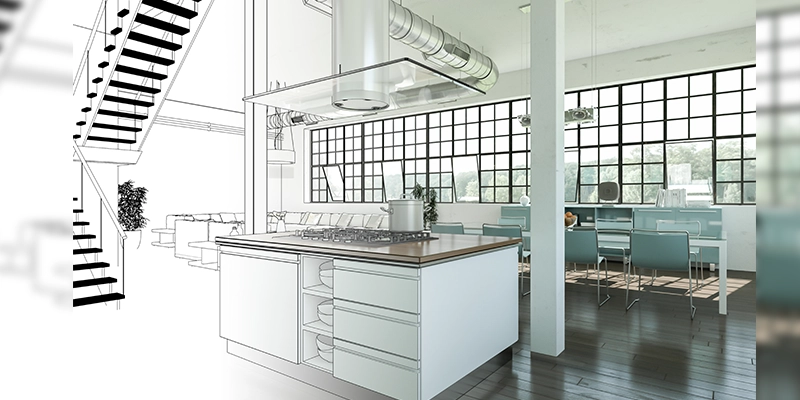
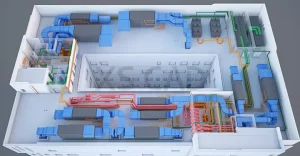
Bringing culinary spaces to life, MEP systems are the pulsating heart of the kitchen’s body. A well-run commercial kitchen is a marvel of design-an environment where heat, speed and precision collide, yet operations remain controlled, safe and efficient. Behind this seemingly effortless performance is a complex network of engineering systems orchestrated by efficient MEP engineering design that silently coordinates every breath of fresh air, every surge of power and every drop of water.
Just as a human body relies on its respiratory, circulatory, nervous and immune systems, a kitchen depends on its HVAC system design, ventilation, electrical, plumbing and fire suppression systems, its MEP design, to sustain its daily operations. When these systems work in harmony, the kitchen becomes a high-performance organism capable of meeting the intense demands of modern food service.
HVAC: The Kitchen’s Respiratory System
Restaurants are high-occupancy spaces, and similar to the lungs of the human body, HVAC systems ensure the kitchen breathes properly. These systems regulate temperature, control humidity and supply fresh outdoor or treated air as required by ASHRAE guidelines.
Simultaneously, stale and polluted air-particularly from washrooms-is exhausted to maintain air quality. Energy or Heat Recovery Ventilators (ERV/HRV) function as the body’s mechanism for conserving energy, capturing heat that would otherwise be lost and returning it to the system. A well-designed HVAC network keeps the kitchen environment comfortable, stable and safe-ensuring staff can function at their best under pressure.
Commercial Kitchen Ventilation: The Detox & Cooling System
Grease-laden vapours, smoke and high heat are the inevitable byproducts of cooking-much as toxins produced through metabolism in the human body. Specialised commercial kitchen ventilation systems and commercial air conditioning systems governed by NFPA 96 serve as the kitchen’s detox system, capturing and removing these impurities through Type 1 hoods designed to safely extract flammable grease particles.
However, just as the body must replenish fluids lost through sweating, the kitchen must replace exhausted air with make-up air, particularly in colder climates where the incoming air must be treated. Demand-controlled ventilation, guided by heat sensors, further optimises this balance with a well-planned commercial HVAC system. This energy-efficient heating and air conditioning system adjusts airflow based on cooking activity-akin to how humans breathe harder during exertion and slower during rest. ASHRAE 90.1 will soon mandate this intelligent approach.
Fire Suppression: The Kitchen’s Immune System
When danger strikes, the kitchen must react instantly-just as the human immune system. Grease fires can spread rapidly, making fire suppression systems essential defenders of life and property. Type 1 hoods equipped with wet chemical suppression systems detect and extinguish fires by:
Each appliance beneath a hood has its own nozzle, customised to its fire risk-mirroring the targeted nature of an immune response. Similar to regular health check-ups, mechanical services design and systems require annual testing and bi-annual licensed technician inspections to stay effective.
Electrical Systems: The Nervous System Powering Every Function
Electricity enables movement, control and communication-just as the nervous system does in the human body.
Electrical engineers design layouts that:
LED fixtures offer long life and low energy use, while thoughtful lighting placement balances task illumination with customer experience. Without this electrical ‘nervous system’, the kitchen cannot think, respond or function.
Plumbing: The Circulatory & Digestive Systems
Water flows through a kitchen the way blood flows through the human body-essential, constant and life-sustaining. Plumbing engineering ensures reliable supply for cooking, cleaning and sanitation, supported by properly sized heaters, boosters and vented pipes.
Waste removal mirrors the digestive process.
Grease interceptors capture fats from grease-laden sewage before it enters municipal lines-performing the same role as the liver filtering harmful substances from the bloodstream. Good plumbing and heating design keeps the kitchen nourished and hygienic. Poor plumbing, as poor circulation, slows everything down.
A Kitchen that Functions as a Living Organism
When trusted and experienced MEP consultants design MEP systems that work in harmony, the kitchen becomes a thriving, responsive and resilient environment:
This is the hidden brilliance of commercial kitchen engineering and expert MEP design services-every system working beneath the surface, supporting the art, efficiency and safety of culinary operations.
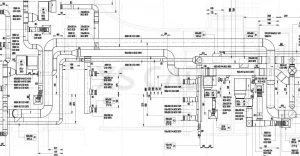
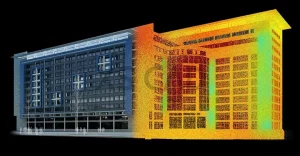
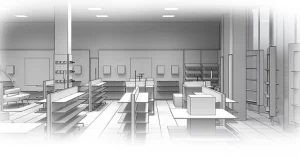
Axium Global can provide expert MEP engineering solutions and Revit MEP design services for leading global MEP design consultants and contractors. Our range of MEP design services include expertise in commercial kitchen ventilation systems, HVAC system design, design of energy efficient heating and air conditioning systems, layout of air conditioning systems, mechanical services design, plumbing and heating design, kitchen exhaust system design and energy efficient ductwork creating solutions involving 3D BIM models, BIM coordination, MEP design drafting, architectural BIM modelling and other BIM applications. We also provide design support services for sustainable building systems using MEP BIM software programs, such as Autodesk Advance Steel, Revit MEP, Revit Structure, Dynamo for Revit and 3ds Max, V-Ray, SketchUp, Adobe Photoshop and After Effects, Illustrator while using BIM Collaborate Pro.